
Last updated: February 2026
Is matcha healthier than coffee? This question has become increasingly common among health-conscious Los Angeles residents as vibrant green matcha lattes compete with traditional coffee drinks in cafes from Venice Beach to Silver Lake. Whether you’re standing in line at your favorite LA coffee shop or shopping for your next beverage, understanding the answer to “is matcha healthier than coffee” can transform your daily wellness routine.
In this comprehensive guide, we’ll explore seven science-backed facts that answer the burning question: is matcha healthier than coffee? By examining nutritional profiles, health benefits, and potential drawbacks, you’ll discover which energizing beverage truly deserves a spot in your daily routine.
Before we dive into whether is matcha healthier than coffee, it’s essential to understand that both beverages have devoted followings for good reason. According to the National Coffee Association, Americans drink approximately 400 million cups of coffee daily, while matcha consumption has surged 50% in recent years according to market research data.
To properly answer “is matcha healthier than coffee,” let’s first clarify what each beverage actually contains.
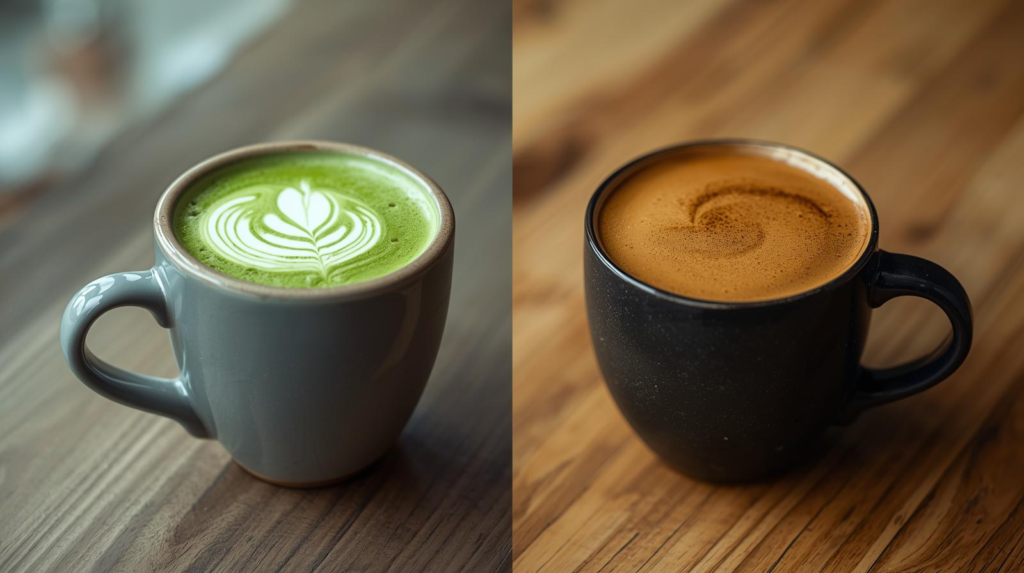
Coffee is brewed from roasted coffee beans, delivering approximately 95 milligrams of caffeine per 8-ounce cup along with beneficial polyphenols and antioxidants.
Matcha is a finely ground powder from shade-grown green tea leaves. Unlike regular tea where leaves are discarded, you consume the entire leaf with matcha, concentrating its nutritional content. An 8-ounce serving contains about 70 milligrams of caffeine plus the amino acid L-theanine.
When evaluating is matcha healthier than coffee from an antioxidant perspective, matcha takes a commanding lead. Research published in the Journal of Chromatography shows matcha contains up to 137 times more epigallocatechin gallate (EGCG) than regular green tea. This powerful catechin has been linked to cancer prevention, heart health, and metabolic support.
Coffee isn’t without merit—it contains chlorogenic acid and polyphenols that reduce inflammation and support metabolic health. However, when strictly comparing antioxidant density, matcha provides superior ORAC (Oxygen Radical Absorbance Capacity) scores.
The question “is matcha healthier than coffee” often centers on how each beverage affects energy levels and focus.
Coffee’s Quick Energy Surge: Coffee delivers caffeine rapidly, providing that familiar jolt within 15-30 minutes. However, this spike can lead to jitters, anxiety, and afternoon crashes—especially problematic for caffeine-sensitive individuals.
Matcha’s Calm Focus: So is matcha healthier than coffee for energy management? Many experts say yes. Matcha’s combination of caffeine and L-theanine creates what researchers call “calm alertness.” The L-theanine slows caffeine absorption, providing 4-6 hours of sustained energy without crashes. Studies from Harvard Medical School confirm this synergistic effect enhances cognitive performance.
If you’re prone to coffee jitters, the answer to is matcha healthier than coffee becomes clearer. L-theanine in matcha promotes alpha brain wave activity, inducing relaxation without drowsiness. Coffee lacks this calming compound, potentially increasing cortisol and anxiety in sensitive individuals.
Both beverages offer impressive protective health benefits backed by scientific research.
Matcha’s Disease-Fighting Profile:
Coffee’s Protective Benefits:
So is matcha healthier than coffee for disease prevention? Both offer unique protective benefits—your personal health priorities determine the winner.
To fully answer is matcha healthier than coffee, we must consider potential negatives.
Coffee Concerns:
Matcha Considerations:
The ultimate answer to is matcha healthier than coffee depends on your individual health goals and caffeine sensitivity.
Choose Matcha When:
Choose Coffee When:
The Hybrid Approach: Many health-conscious Angelenos use both strategically—coffee for morning energy, matcha for afternoon productivity without sleep disruption.
Registered dietitians and wellness experts at UCLA Health suggest the question “is matcha healthier than coffee” oversimplifies a nuanced decision. Dr. Lisa Young, nutritionist and author, notes that both beverages can be part of a healthy lifestyle when consumed mindfully.
Maximizing Health Benefits:
So, is matcha healthier than coffee? Here’s the definitive answer: Matcha edges ahead for pure nutritional density, antioxidant content, and sustained calm energy, while coffee excels in convenience, cost-effectiveness, and proven disease prevention.
The healthiest choice is the one that aligns with your wellness goals and that you’ll enjoy consistently. Matcha offers superior EGCG catechins, gentler sustained energy through L-theanine, and additional vitamins from consuming whole tea leaves. Coffee provides powerful polyphenols, unmatched convenience, and decades of research supporting its health benefits.
Whether you’re sipping matcha at Cha Cha Matcha in Downtown LA or enjoying pour-over coffee at Intelligentsia, both beverages can support your health journey. The key is mindful consumption, quality sourcing, and paying attention to how your body responds.
Ready to explore both options? Visit your local LA specialty tea shop or coffee roaster to experience premium versions of each beverage and discover which one truly serves your body best.