Is matcha healthy or unhealthy?
It is a question that has surged in popularity alongside the vibrant green lattes taking over social media feeds from Tokyo to New York. While many celebrate it as a “superfood” capable of boosting metabolism and focus, others worry about caffeine levels, heavy metals, and potential side effects. To truly understand the impact of this powdered green tea, we must look past the marketing hype and examine the clinical evidence regarding its effects on the human body.
Understanding the Question: Is Matcha Healthy or Unhealthy?
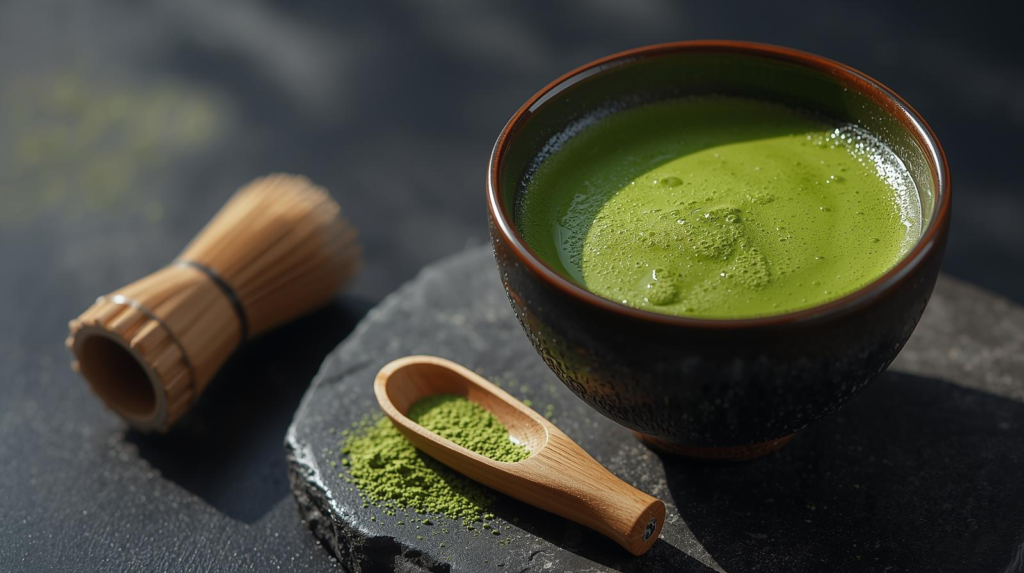
Matcha is not your average tea. Derived from the Camellia sinensis plant, it is a concentrated powder made from entire tea leaves that have been shaded for several weeks before harvest. This unique cultivation process boosts chlorophyll and amino acid content, resulting in its signature emerald hue and complex “umami” flavor.
When you drink traditional green tea, you steep the leaves and discard them; with matcha, you consume the whole leaf. This means you are ingesting a much higher concentration of both beneficial nutrients and potentially problematic substances. Because of this concentration, determining if is matcha healthy or unhealthy often comes down to two factors: the quality of the powder and the quantity consumed.
Is Matcha Healthy? 5 Proven Benefits
For most people, the answer to is matcha healthy or unhealthy leans heavily toward the former. The sources highlight several science-backed reasons why matcha is a powerhouse of wellness.
1. Unmatched Antioxidant Power
Matcha is exceptionally rich in catechins, specifically epigallocatechin-3-gallate (EGCG), which has powerful anti-cancer and anti-inflammatory properties. Because the whole leaf is consumed, matcha can contain up to 137 times more EGCG than some types of traditional steeped green tea. These antioxidants help stabilize free radicals that can damage cells and lead to chronic disease.
2. Calm Alertness and Brain Function
Unlike the “jittery” spike and crash associated with coffee, matcha provides a steady stream of energy. This is due to the presence of L-theanine, an amino acid that promotes relaxation without drowsiness. When combined with caffeine, L-theanine improves attention, memory, and reaction time.
3. Heart and Metabolic Health
Research suggests that the compounds in matcha may help lower LDL (“bad”) cholesterol and blood pressure. Furthermore, some studies indicate that matcha may boost metabolism and fat burning, particularly when paired with exercise, though experts note that it is not a “magic pill” for weight loss.
4. Liver Protection
Some clinical evidence shows that green tea consumption is associated with a decreased risk of liver disease. Matcha may specifically help reduce liver enzymes in people with nonalcoholic fatty liver disease (NAFLD).
5. Dental and Oral Health
The EGCG in matcha can inhibit the growth of bacteria that cause plaque and bad breath. Some studies even suggest it may be more effective than mints or chewing gum at neutralizing odors in the mouth.
Is Matcha Unhealthy? Potential Risks to Consider
To provide a balanced view on is matcha healthy or unhealthy, we must address the potential downsides. Even “superfoods” can be harmful if misused or sourced poorly.
1. Caffeine Sensitivity and Overconsumption
While the energy is more stable than coffee, matcha still contains significant caffeine—typically 38mg to 88mg per serving. For sensitive individuals, this can lead to anxiety, rapid heartbeat, insomnia, and acid reflux.
2. Liver Toxicity in High Doses
Ironically, while moderate amounts protect the liver, excessive intake of green tea catechins (800mg of EGCG or higher) has been linked to liver damage. This is more common with concentrated supplements than with tea, but it underscores the importance of moderation.
3. Heavy Metals and Contaminants
Tea plants are known to absorb lead and other heavy metals from the soil. Since you consume the whole leaf in matcha, your exposure may be higher than with steeped tea. Furthermore, non-organic varieties may contain pesticide residues.
4. Reduced Iron Absorption
The tannins and polyphenols in matcha can bind to iron in the digestive tract, making it harder for your body to absorb the mineral from food. Dietitians often recommend drinking matcha at least 60 to 90 minutes away from meals to avoid this.
5. Esophageal Cancer Risk
This risk is not unique to matcha but applies to all “very hot” beverages. Drinking tea at extremely high temperatures can irritate the esophagus and potentially increase the risk of cancer.
Who Should Approach Matcha with Caution?
When evaluating is matcha healthy or unhealthy, certain groups need to be more mindful of their intake:
• Pregnant and Breastfeeding Individuals: Caffeine and EGCG levels should be monitored. Some guidelines suggest a limit of 120mg of EGCG daily for this group.
• Children: There is limited research on matcha safety for children; consult a pediatrician first.
• People with High Blood Pressure: While long-term use may lower blood pressure, the immediate effect of caffeine can cause a temporary spike
• Those with Anxiety: The stimulating effects of caffeine can worsen symptoms.
How to Keep Your Matcha Healthy
To ensure your answer to is matcha healthy or unhealthy remains positive, follow these practical tips:
1. Choose Ceremonial Grade: This is the highest quality, made from the youngest leaves, and contains the most nutrients and best flavor.
2. Go Organic: Look for certified organic Japanese matcha to minimize exposure to pesticides and heavy metals.
3. Watch the Additives: A matcha latte loaded with sugar and flavored syrups is essentially a dessert. To keep it healthy, use unsweetened plant milks or enjoy it traditionally with just hot water.
4. Mind the Temperature: Use water that is hot (70–80°C) but not boiling to protect the antioxidants and your esophagus.
5. Stick to 1–2 Cups: Most experts agree that one to two servings a day provide the benefits without the risks of overconsumption.
Conclusion: Is Matcha Healthy or Unhealthy?
The verdict on is matcha healthy or unhealthy is clear: for the average healthy adult, matcha is a highly beneficial addition to a balanced diet when consumed in moderation. It offers a unique combination of antioxidants and cognitive-enhancing amino acids that few other beverages can match.
However, it is not a miracle cure. As discussed, the benefits can be negated by poor quality powder, excessive consumption, or the addition of high amounts of sugar. By choosing high-quality, organic ceremonial matcha and being mindful of your body’s reaction to caffeine, you can safely enjoy the “green gold” of the tea world.